Varicose Veins in Pregnancy – What You Should Know
Knowledge creates security
Understanding varicose veins during pregnancy
Pregnancy is a beautiful and transformative time – but let’s be honest: not everything about it feels magical. Many women notice sudden changes in their legs, like new veins showing up, bluish marks, or small spider veins that weren’t there before. It can be uncomfortable or even a little alarming. The good news? You’re not alone, and you’re not powerless.
In this guide, we’ll explain why varicose veins appear during pregnancy, what actually helps with symptoms, and when treatment makes sense – including considerations for after birth and during breastfeeding.

Several factors work together
Why Do Varicose Veins Show Up During Pregnancy?
The answer lies in a powerful mix of hormones, physical pressure, and increased blood volume:
- Progesterone levels rise and make your vein walls softer and more prone to dilation.
- Your growing baby puts pressure on major veins in the pelvis, especially in the third trimester.
- Your blood volume increases by up to 50%, which puts your veins to the test.
Often, symptoms appear in the second or third trimester: heaviness in the legs, a tight feeling, maybe some itching or cramping at night. Some women even develop vulvar varicosities (varicose veins in the pelvic area) – not fun, but common.
Effectively reducing everyday stress
What Helps with Discomfort?
Even though we usually avoid medical procedures during pregnancy, there’s plenty you can do to feel better:
Compression stockings
These are your best friends. They support blood flow and prevent swelling. We offer maternity-friendly models that are comfortable and discreet.
Move more
Walks, gentle yoga, or swimming help pump blood back up your legs.
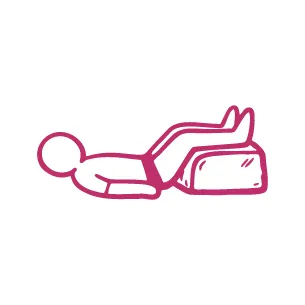
Leg elevation
Put your feet up whenever you can. Just 10–15 minutes can make a big difference.
Stay hydrated
Fluids support healthy circulation and prevent pooling in the legs.
Tip: Avoid standing or sitting for too long, especially in hot environments. Heat dilates the veins – and your legs will feel it.

The right time
When to Treat – Before or After Birth?
In most cases, we don’t treat varicose veins during pregnancy, unless there’s a serious medical reason (like risk of thrombosis).
Why? Because many pregnancy-related varicose veins improve naturally after delivery. As your hormones settle and the pressure on your veins decreases, the vessels often shrink on their own.
That’s why we usually recommend waiting about 3 to 6 months postpartum before considering treatment. At that point, we can assess whether the veins have improved or if further action is needed. If so, we’ll explain all your options (e.g., laser or sclerotherapy).
Want a quick vein check-up before or after pregnancy?
Book your consultation now – we’re happy to help.
Consider carefully
Is Treatment Possible During Breastfeeding?
Yes, but with some limitations. During breastfeeding, we usually avoid sclerotherapy (vein injections), because a tiny amount of the solution could potentially pass into breastmilk.
Laser therapy is often a better option during this time – safe, effective, and medication-free. We’ll walk you through what’s possible and find a plan that fits your needs and your baby’s well-being.
Patience pays off
Spider Veins After Birth – What Can You Do?
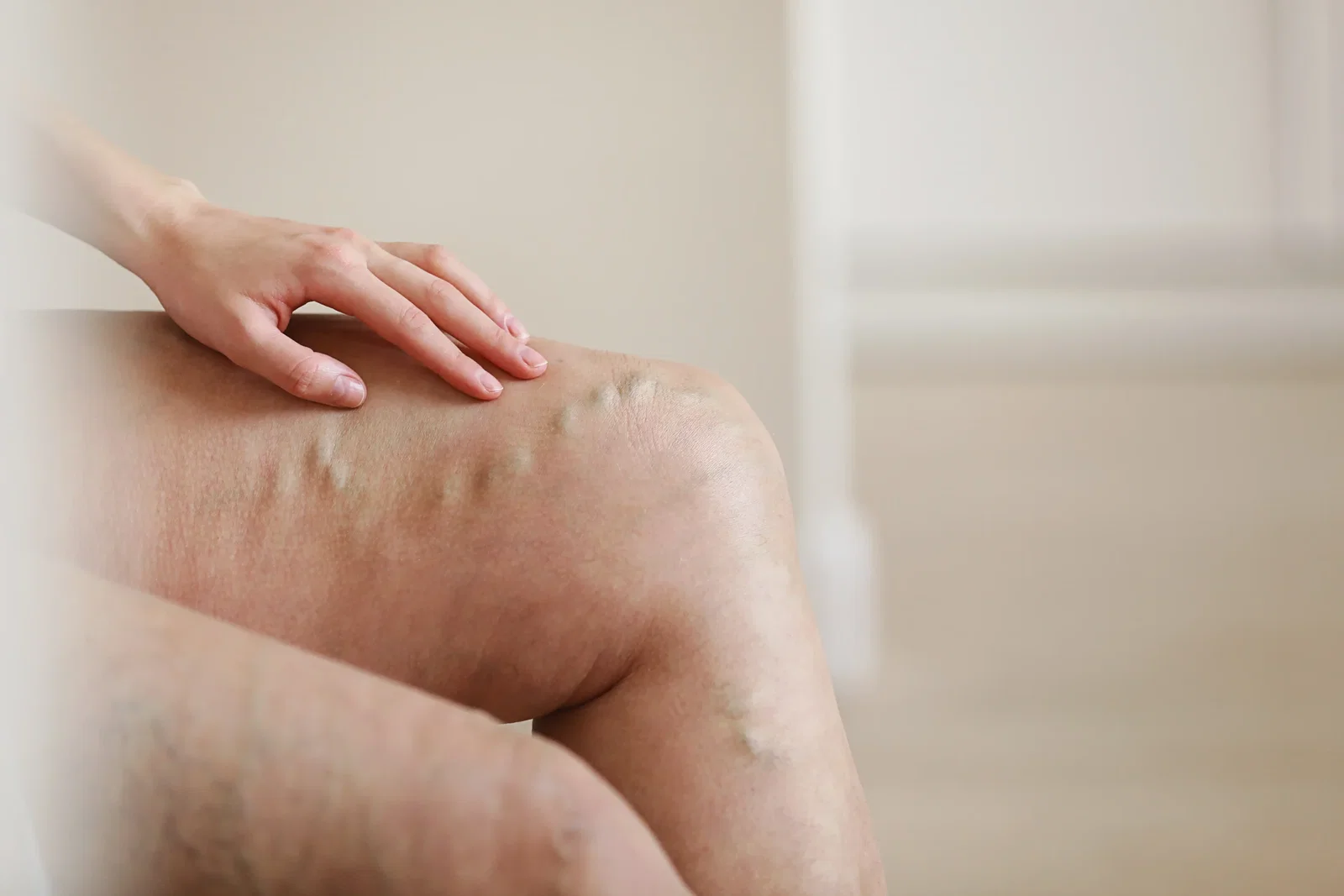
It’s very common to see small, red or blue vessels pop up after delivery – called spider veins. They’re not dangerous, but many women find them bothersome.
Good news: they often fade within the first few months. If they don’t, we offer gentle, cosmetic treatments to remove them – without downtime or scarring. It’s a small fix that can make a big difference in how you feel.
Act well informed
You’re Not Alone
Varicose veins during pregnancy can be uncomfortable, but they’re completely normal – and almost always temporary. The key is knowing what helps, staying active, and getting support when you need it.
At Angioclinic Zurich, we’re here to guide you through this phase with experience, empathy, and real solutions. Whether you’re pregnant, postpartum, or planning ahead – we’re ready when you are.